- English
- Español
- Português
- русский
- Français
- 日本語
- Deutsch
- tiếng Việt
- Italiano
- Nederlands
- ภาษาไทย
- Polski
- 한국어
- Svenska
- magyar
- Malay
- বাংলা ভাষার
- Dansk
- Suomi
- हिन्दी
- Pilipino
- Türkçe
- Gaeilge
- العربية
- Indonesia
- Norsk
- تمل
- český
- ελληνικά
- український
- Javanese
- فارسی
- தமிழ்
- తెలుగు
- नेपाली
- Burmese
- български
- ລາວ
- Latine
- Қазақша
- Euskal
- Azərbaycan
- Slovenský jazyk
- Македонски
- Lietuvos
- Eesti Keel
- Română
- Slovenski
- मराठी
- Srpski језик


What Dry Electrostatic Separators Help Recycling Plants Skip Wastewater Treatment & EU Environmental Fines?
Global scrap recycling stations, medical waste disposal enterprises and composite film recovery factories face two severe operational bottlenecks from traditional wet separation lines: water washing processes require supporting sewage treatment equipment with high daily chemical and power costs, while discharged wastewater fails EU waste directives and triggers heavy administrative penalties. Many small wet separation units produce low-purity recovered aluminum, greatly reducing secondary material resale prices and squeezing factory profit margins. Hongxu’s waste aluminum plastic electrostatic separator adopts full dry physical sorting logic without water and chemical additives, paired with real-time bearing temperature monitoring and multi-tonnage customizable output, helping recycling operators cut auxiliary facility investment and meet cross-border green waste recovery standards simultaneously.
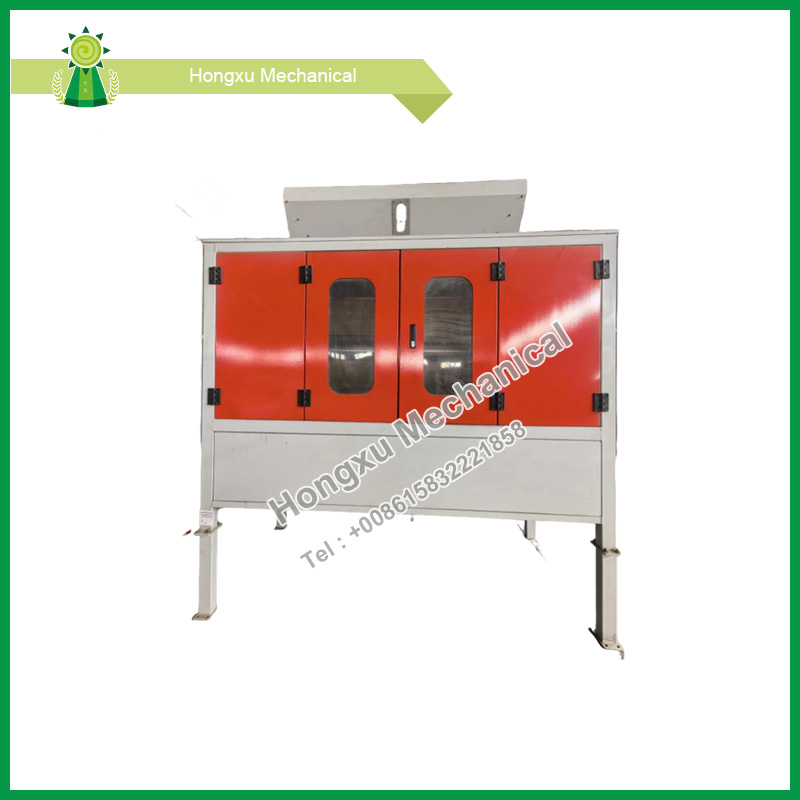
1. Water-free dry process eliminates full wastewater supporting system investment and daily operation cost
Conventional aluminum plastic water washing separation production lines must be equipped with sedimentation tanks, filter presses and chemical dosing pools to treat polluted wash water, occupying extra plant space and consuming large volumes of tap water and flocculants every day. This electrostatic sorting machine operates purely through high-voltage electric field material differentiation without any liquid medium, completely removing sewage construction and daily chemical procurement expenditure. For small and medium recycling workshops with limited site area, it avoids civil engineering transformation costs of sewage pools and lowers monthly utility bills by a large margin, forming a clear long-term cost advantage compared with wet separation equipment.
2. Over 98% separation purity lifts secondary aluminum & plastic market transaction prices
Water washing technology can only reach 90%-93% material separation rate, with plastic fragments mixed into aluminum scrap and metal particles remaining in plastic flakes; buyers will drastically depress purchase prices for impure recycled materials. The high-voltage electrostatic field precisely distinguishes conductive aluminum and insulating plastic particles, delivering separation purity exceeding 98%. High-purity aluminum scrap can be directly sent to smelters without secondary sorting, while clean plastic fragments qualify for food-grade reprocessing raw materials, widening downstream customer channels and significantly increasing per-ton recovery revenue for recycling plants.
3. Zero secondary pollution design complies EU waste recovery regulatory audit standards
EU waste framework directives and French AGEC anti-waste law impose strict limits on industrial wastewater discharge and chemical residue emissions; recycling factories using wet separation often face customs detention and on-site fines during third-party audits. The dry electrostatic separation process generates only recyclable dry dust without waste water, waste liquid or chemical waste residue, matching global low-carbon recycling evaluation criteria. Complete equipment environmental test reports can be provided for overseas factory inspections, eliminating compliance risks for enterprises exporting recycled metal plastic materials to European and North American markets.
4. Real-time bearing temperature early warning reduces unplanned production downtime
Ordinary sorting equipment lacks built-in temperature monitoring sensors; long-hour continuous operation causes bearing overheating, resulting in sudden shutdown and delayed scrap processing schedules. Hongxu’s separator embeds multi-point temperature sensing modules to track bearing operating status 24/7, automatically triggering sound and light alarms once temperature exceeds safe thresholds and activating auxiliary heat dissipation structures in advance. This intelligent protection mechanism cuts mechanical failure frequency, extends core rotating component service life and ensures stable round-the-clock processing capacity for peak scrap recovery seasons.
5. Adjustable 0.5–1t/h output adapts small workshops and large centralized recovery yards
Single fixed-output separation equipment cannot balance micro medical waste processors and large composite film recycling bases, forcing buyers to purchase multiple sets of different tonnage machines. The machine supports customized production capacity matching 2000mm and 3000mm host models, with hourly processing volume freely adjusted between 0.5 tons and 1 ton. Small medical waste disposal stations can select low-output compact versions to save workshop space, while large industrial scrap recovery plants deploy large-size units to boost daily material handling volume, covering multi-scale recycling business demands with one core equipment platform.
6. Multi-material compatibility expands factory waste recovery business categories
Most wet separation lines are only applicable to single aluminum plastic panel scrap, limiting factory revenue channels. This electrostatic separator handles four mainstream composite waste categories including medical blister medicine boards, advertising aluminum plastic panels, waste cable outer sheaths and packaging composite films. Recycling stations can receive diversified scrap resources without purchasing dedicated sorting machines for each waste type, optimizing raw material supply channels and improving overall factory annual processing throughput and profit space.