In modern recycling and waste management industries, separating mixed materials efficiently has become one of the most critical challenges. A Plastic Silica Gel Sorter Machine is designed to solve this problem by accurately distinguishing silica gel from plastic waste streams using advanced optical, density, and material recognition technologies. This article explores how this equipment works, why it is essential, and how it helps industries improve purity rates, reduce operational costs, and increase recycling value. It also provides a detailed guide to its structure, applications, advantages, and purchasing considerations for businesses aiming to upgrade their sorting systems.
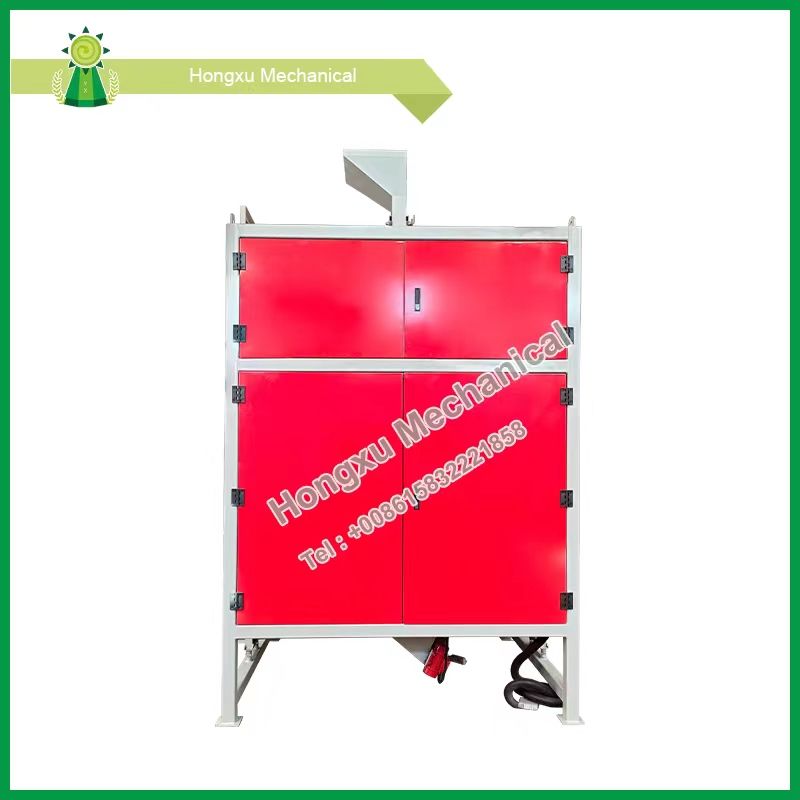
1. Introduction: The Growing Challenge in Plastic Sorting
In today’s global recycling industry, the demand for high-purity recycled plastics is increasing rapidly. However, one of the biggest challenges faced by recycling plants is the presence of non-plastic impurities such as silica gel packets, desiccants, and other composite materials that are often mixed with plastic waste streams.
A Plastic Silica Gel Sorter Machine is engineered specifically to address this issue. It enables automated, high-speed separation of silica gel from plastics, ensuring that the final recycled material meets strict quality standards required by manufacturers.
Without advanced sorting systems, recycling facilities often rely on manual labor or basic mechanical separation methods, both of which are inefficient and prone to errors. As waste volumes grow, automation becomes not just beneficial but essential.
2. Why Silica Gel Contamination Is a Serious Issue
Silica gel is commonly used in packaging to absorb moisture and protect goods. While harmless in small amounts, it becomes a major contaminant when mixed into plastic recycling streams.
-
It reduces plastic purity levels
-
It affects melting consistency during reprocessing
-
It can cause defects in final plastic products
-
It increases rejection rates in manufacturing
Even a small percentage of silica gel contamination can significantly lower the market value of recycled plastics. This is why efficient separation technology is crucial for modern recycling operations.
3. Working Principle of Plastic Silica Gel Sorter Machine
The Plastic Silica Gel Sorter Machine operates using a combination of advanced detection and separation technologies. These may include optical sensors, air jets, vibration systems, and intelligent material recognition algorithms.
The process generally follows these steps:
-
Feeding System: Mixed plastic materials are fed into the conveyor belt.
-
Detection Stage: Sensors scan each particle to identify material composition.
-
Recognition: Silica gel is differentiated from plastic based on optical properties, density, or infrared signals.
-
Separation: Air jets or mechanical ejectors remove silica gel from the main plastic stream.
-
Collection: Separated materials are collected in different bins for further processing.
This automated system ensures high accuracy and continuous operation, significantly improving efficiency compared to manual sorting.
4. Key Components and System Structure
A high-performance Plastic Silica Gel Sorter Machine typically includes several key components that work together to achieve precise separation:
-
Feeding Conveyor: Ensures consistent material flow
-
Optical Recognition System: Identifies material types
-
Control Unit: Processes detection data and executes commands
-
Air Jet Ejection System: Removes unwanted particles
-
Vibration Separator: Assists in material distribution
-
Collection Bins: Separates output streams
Each component plays a critical role in maintaining sorting accuracy and operational stability.
5. Major Benefits for Recycling Industries
Investing in a Plastic Silica Gel Sorter Machine brings multiple advantages for recycling companies and material recovery facilities.
-
Higher Purity Output: Produces cleaner recycled plastic materials
-
Reduced Labor Costs: Minimizes need for manual sorting
-
Increased Efficiency: Handles large volumes continuously
-
Lower Error Rate: Improves accuracy compared to manual work
-
Better Market Value: Clean materials sell at higher prices
These benefits directly contribute to higher profitability and sustainable operations.
6. Industrial Applications
The Plastic Silica Gel Sorter Machine is widely used in multiple industries where plastic recycling and material purification are essential.
-
Plastic recycling plants
-
Waste management facilities
-
Packaging material recovery centers
-
Industrial manufacturing waste processing
-
Electronic waste recycling plants
Its versatility makes it a valuable asset for any operation dealing with mixed plastic waste streams.
7. Comparison Table: Manual Sorting vs Machine Sorting
|
Aspect
|
Manual Sorting
|
Plastic Silica Gel Sorter Machine
|
|
Accuracy
|
Low to Medium
|
High Precision
|
|
Speed
|
Slow
|
Continuous High-Speed Processing
|
|
Labor Requirement
|
High
|
Low
|
|
Operational Cost
|
High over time
|
Lower long-term cost
|
|
Scalability
|
Limited
|
Highly scalable
|
8. Maintenance and Operational Guidelines
To ensure long-term performance, regular maintenance of the Plastic Silica Gel Sorter Machine is essential.
-
Clean optical sensors regularly to maintain detection accuracy
-
Inspect air jet nozzles for clogging or wear
-
Lubricate mechanical parts as recommended
-
Update control software if applicable
-
Check conveyor alignment and tension
Proper maintenance not only extends machine lifespan but also ensures stable sorting efficiency.
9. How to Choose the Right Machine
When selecting a Plastic Silica Gel Sorter Machine, businesses should consider several important factors:
-
Processing Capacity: Match machine output with production needs
-
Detection Accuracy: Higher accuracy ensures better material quality
-
Energy Efficiency: Reduces long-term operational cost
-
Automation Level: Fully automated systems reduce labor dependency
-
After-Sales Support: Ensures smooth long-term operation
Choosing the right configuration is essential for maximizing return on investment.
10. Frequently Asked Questions
Q1: What is the main function of a Plastic Silica Gel Sorter Machine?
It is designed to separate silica gel contaminants from plastic waste streams to improve recycling purity.
Q2: Can it handle mixed plastic waste?
Yes, it is specifically designed for mixed and contaminated plastic materials.
Q3: Is the machine fully automated?
Most modern models are fully automated with intelligent detection systems.
Q4: How does it improve recycling efficiency?
By reducing manual sorting, increasing speed, and improving material purity.
Q5: Is maintenance complicated?
No, routine cleaning and basic inspections are usually sufficient.
11. Conclusion and Industry Outlook
The Plastic Silica Gel Sorter Machine plays a crucial role in modern recycling systems by solving one of the most persistent contamination challenges. As environmental regulations become stricter and demand for high-quality recycled plastics increases, automated sorting technologies will continue to evolve and become even more essential.
Companies that adopt advanced sorting solutions gain a competitive advantage through improved efficiency, higher material value, and reduced operational costs.
In the future, integration with AI-based recognition systems and smart recycling networks will further enhance performance and sustainability across the industry.