- English
- Español
- Português
- русский
- Français
- 日本語
- Deutsch
- tiếng Việt
- Italiano
- Nederlands
- ภาษาไทย
- Polski
- 한국어
- Svenska
- magyar
- Malay
- বাংলা ভাষার
- Dansk
- Suomi
- हिन्दी
- Pilipino
- Türkçe
- Gaeilge
- العربية
- Indonesia
- Norsk
- تمل
- český
- ελληνικά
- український
- Javanese
- فارسی
- தமிழ்
- తెలుగు
- नेपाली
- Burmese
- български
- ລາວ
- Latine
- Қазақша
- Euskal
- Azərbaycan
- Slovenský jazyk
- Македонски
- Lietuvos
- Eesti Keel
- Română
- Slovenski
- मराठी
- Srpski језик


Home
>
Products > Separation Equipment > Electrostatic Plastic Separating Machine > Electrostatic Material Sorting Machine


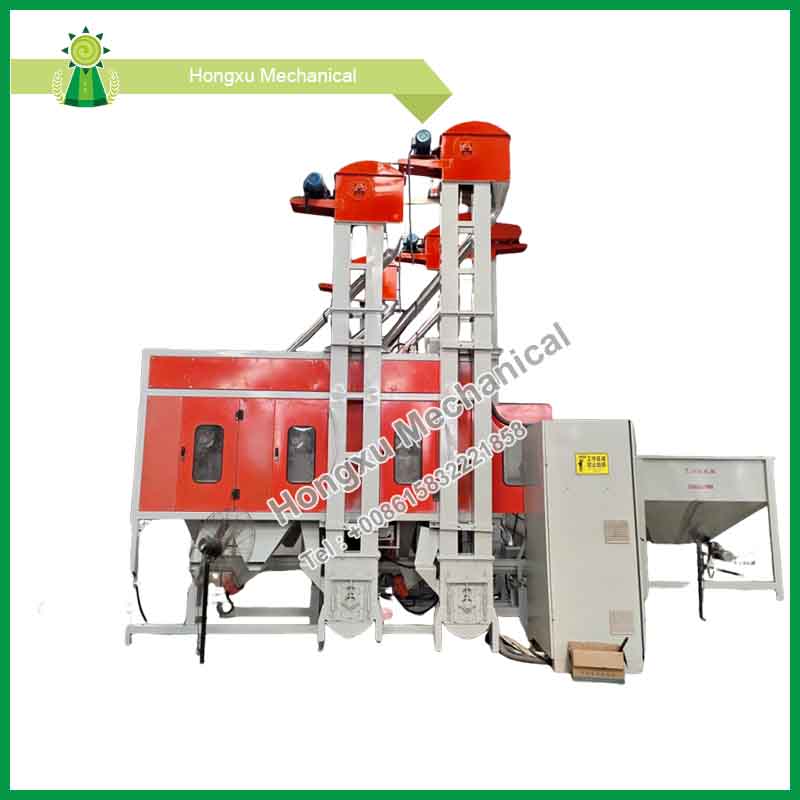
Electrostatic Material Sorting Machine
Hongxu, a professional manufacturer, presents the high-performance Electrostatic Material Sorting Machine. Featuring pure physical sorting, stable efficiency and ≥98% purity, it’s ideal for mixed plastic recycling with no secondary pollution.
Send Inquiry
Product Description
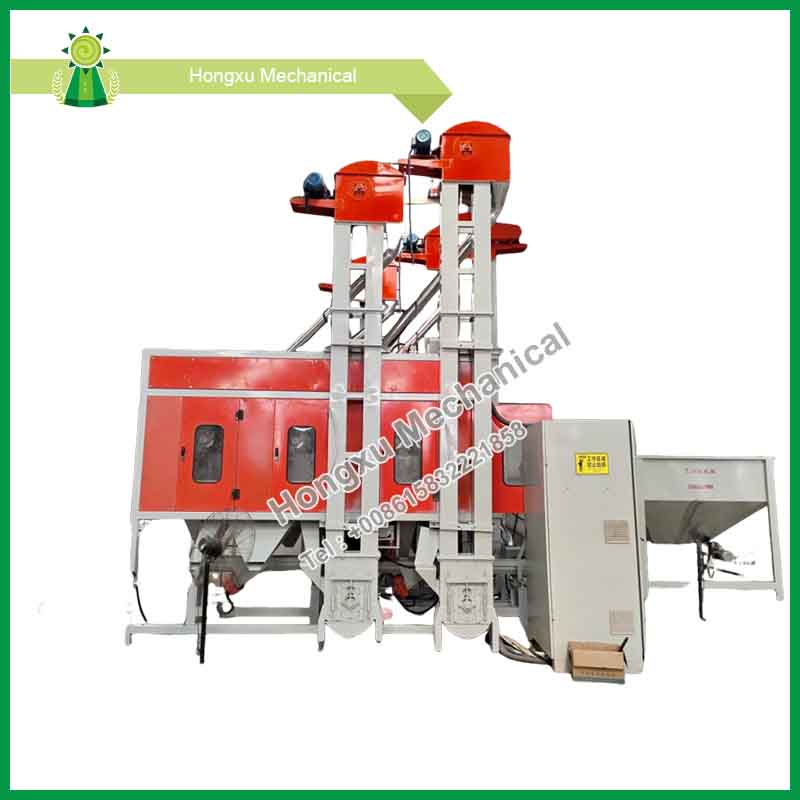
1. Storage module: The Electrostatic Material Sorting Machine is equipped with a 2000mm×3000mm×2300mm automatic feeding bin to realize stable feeding;
2. Sorting module: adopt multistage electrostatic sorting mode to accurately separate 2-5 kinds of mixed plastics, and the sorting purity is ≥ 98%;
3. Drying module: equipped with two 20-25KW dryers to efficiently remove moisture and dust from materials;
4. Conveying module: 5 sets of 1.1KW vertical hoists, with stable operation, uniform feeding and space saving;
5. Discharge module: 3 1.5KW packers, which automatically pack the sorted materials, suitable for large-scale production;
6. Control module: master control distribution cabinet+frequency conversion speed regulation system, intelligent operation, energy saving and consumption reduction.
Material pretreatment requirements
1. Particle size of feed: it is recommended to crush into uniform particles (recommended particle size is 5-30mm) to avoid the influence of large materials on separation accuracy;
2. Material humidity: for optimal performance of the Electrostatic Material Sorting Machine, the moisture content should be controlled below 5% to reduce moisture interference on electrostatic adsorption;
3. Impurity cleaning: remove hard impurities such as metals and stones from materials in advance to prevent damage to equipment parts;
4. Material purity: avoid a large number of non-plastic impurities, and ensure sorting efficiency and target material recovery rate.
FAQ
1. Q: Can the Electrostatic Material Sorting Machine handle plastics containing flame retardant ingredients?
A: It can sort flame-retardant ABS, flame-retardant PS, etc., and has strong compatibility.
2. Q: Does multistage sorting require additional manual intervention?
A: Automatic sorting in the whole process, without manual intervention, saving time and effort.
3. Q: Can we test the sorting effect of new materials first?
A: Support equipment experiments for new materials free of charge to ensure adaptability.
Hot Tags: Electrostatic Material Sorting Machine, China, Manufacturer, Supplier, Factory, Low Price, Cheap, Customized, Price
Related Category
Eddy Current Separator
Electrostatic Aluminum Plastic Sorting Machine
Stainless Steel Sorting Machine
Plastic Silica Gel Sorter Machine
Electrostatic Plastic Separating Machine
Air Separator
Air-Flow Gravity Sorting Machine
Plastic Grinder
Send Inquiry
Please feel free to give your inquiry in the form below. We will reply you in 24 hours.